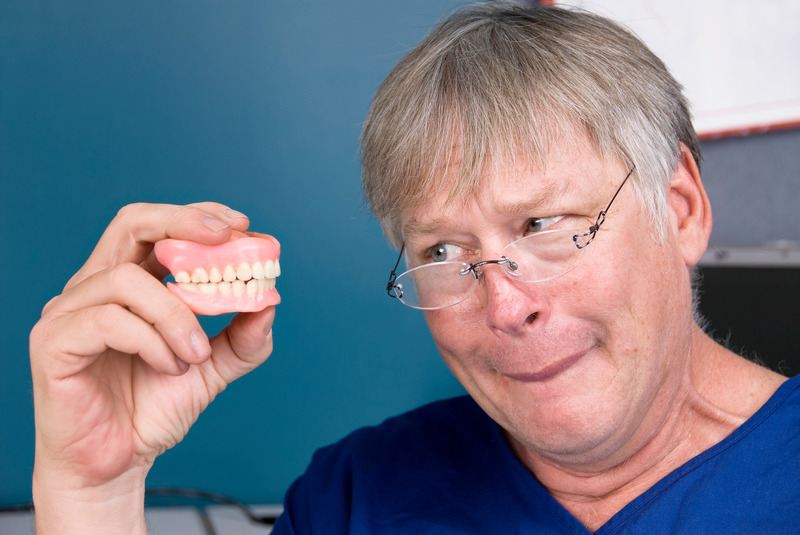
One of the things hardly anyone tells you about tooth loss is that not every replacement option is the same. You’ve probably pored over dental websites comparing treatments, like dentures and dental implants. But while both can restore your ability to speak, chew, and smile, they differ in many other ways. This is especially true when it comes to protecting your jawbone, as only one of these can restore support. Here’s what you need to know as you prepare to replace your missing teeth.
What Happens to Your Jawbone After Tooth Loss?
Your teeth are a far more complex system than you might think. Not only do they help you chew, but they’re also structured in a way that makes them stronger as you use them. Every time you bite down, the roots of your teeth stimulate your jawbone. In turn, this stimulation tells your body to keep the bone strong and healthy.
When a tooth is lost, this stimulation disappears in that area, so it no longer receives the signal. Over time, this can cause the jawbone to shrink—a process called resorption. This can lead to a “sunken” facial appearance, changes to your bite, and even loosened neighboring teeth.
Do Dentures Prevent Bone Loss?
Traditional dentures rest on top of your gums and replace the visible part of your teeth. However, they don’t replace the roots. Because they don’t actually connect to the bone underneath, dentures can’t provide the stimulation your jaw needs to stay full and strong.
In fact, as the bone slowly shrinks, dentures may become looser and less comfortable. This is why many denture wearers need adjustments or replacements every so often—the shape of their jaw slowly changes!
Why Dental Implants Are Different
Dental implants don’t work the same way dentures do. Each implant is a small titanium post that is placed into your jawbone to recreate your tooth root. Over time, implants bond with your jawbone, and when you chew, the pressure travels through the fixture the same way as a natural tooth. This restores the lost signals that help keep the bone dense.
Implants are also incredibly adaptable. For example, if you’re missing all your teeth, you can have the best of both worlds. Implant dentures offer more stability than traditional ones while also providing bone stimulation through a few strategically placed implant fixtures.
If you’re unsure about the future of your smile, schedule a consultation with your dentist. They can help you compare choices, explore pros and cons, and choose a path forward that protects your whole smile—bone and all—for years to come.
About the Author
Dr. Robert Mitchell earned his DDS from Baylor College of Dentistry. He’s also a Fellow of the Academy of General Dentistry and a member of the Crown Council. With advanced training and technology, Dr. Mitchell loves helping his patients reclaim their smiles. Call (972) 233-1311 to schedule a dental implant consultation at North Dallas Cosmetic Dentistry – Robert B. Mitchell or visit our website to book an appointment online.