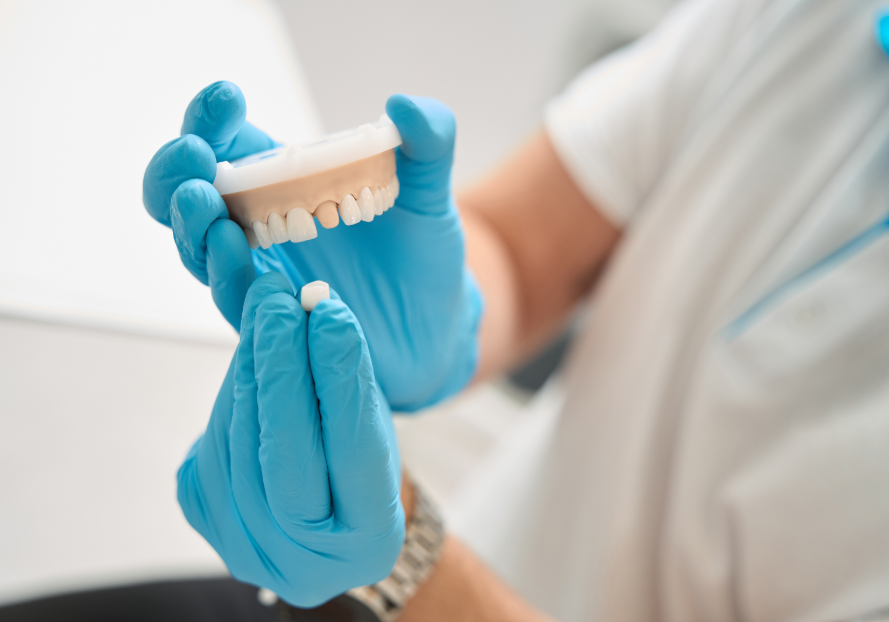
If you’ve been told you need a dental crown, you might be wondering what actually happens during the process. The idea of “preparing” a tooth can sound intimidating, but in reality, it’s a straightforward and carefully planned procedure designed to protect and restore your smile.
Knowing what to expect can help you feel more comfortable and confident going into your appointment.
Why a Crown Is Needed
Dental crowns are used to restore teeth that are weakened, damaged, or severely decayed. They act like a protective cap, covering the entire visible portion of the tooth to restore its strength, shape, and appearance.
Before placing the crown, your dentist needs to prepare the tooth so the restoration fits securely and functions properly.
Step 1: Numbing the Area
Your appointment will typically begin with local anesthesia to numb the tooth and surrounding area. This ensures you remain comfortable throughout the procedure.
Even if the tooth has had a root canal, numbing is often still used to prevent any sensitivity in the surrounding tissues.
Step 2: Shaping the Tooth
Once the area is numb, your dentist will reshape the tooth by removing a small amount of enamel. This step creates space for the crown so it can fit naturally alongside your other teeth.
The amount of shaping depends on the type of crown being used, but the goal is always the same: to create a stable foundation while preserving as much of your natural tooth as possible.
Step 3: Addressing Decay or Damage
If there is any decay present, it will be removed during the preparation process. In cases where the tooth is significantly damaged, your dentist may build it up with filling material to support the crown.
This step ensures the underlying structure is strong enough to hold the crown securely over time.
Step 4: Taking Impressions
After the tooth is prepared, your dentist will take impressions or digital scans of your teeth. These are used to create a custom crown that matches your bite and blends in with your natural smile.
If you are receiving a traditional crown, the impressions will be sent to a dental lab where the final restoration is fabricated.
Step 5: Placing a Temporary Crown
For traditional crowns, a temporary crown is placed over the prepared tooth while your permanent one is being made. This protects the tooth and allows you to eat and speak normally in the meantime.
Temporary crowns are not as durable as permanent ones, so you may need to avoid very hard or sticky foods until your final crown is placed.
Step 6: Final Placement
At your follow-up visit, the temporary crown is removed and replaced with your custom crown. Your dentist will check the fit, bite, and appearance before permanently bonding it in place.
Once secured, the crown restores the function and look of your tooth, allowing you to smile and chew with confidence.
What to Expect Afterward
It’s normal to experience mild sensitivity after the procedure, especially around the gums. This usually fades within a few days.
With proper care—including brushing, flossing, and regular dental visits—your crown can last many years.
Understanding the process can make your crown appointment feel much more manageable and help you feel prepared every step of the way. A well-prepared crown not only protects your tooth but also restores comfort and confidence in your smile.
About the Practice
North Dallas Cosmetic Dentistry is here to brighten smiles throughout our community! Dr. Robert Mitchell provides comprehensive restorative dentistry, including custom dental crowns designed to protect and strengthen damaged teeth. Our practice focuses on patient comfort and precision, using modern techniques to ensure each crown fits naturally and functions seamlessly. Dr. Mitchell and the team take a personalized approach to care, helping patients understand each step of the process and feel confident in their treatment.
Call us at (972) 233-1311 or schedule your appointment online.