In November 2012, Illinois Governor Pat Quinn declared February as
Gum Disease Awareness Month. Gum disease is a silent killer in our society, affecting more adults than cancer, diabetes, or heart disease. With 74% of the population affected, only half are even aware of it.
While
gum disease has long been associated with heart disease, strokes, and preterm births/low birth weights, in the last 12 months a significant number of systemic connections have been made between periodontal health and overall wellness. This focus on overall wellness has resulted in exploring periodontal links to obesity, erectile dysfunction, pancreatic cancer, diabetes, dementia, and rheumatoid arthritis. (Dental Economics)
Dentist Dallas TX | Dentist in Dallas TX, Dr. Robert Mitchell Shares Facts About Bleeding Gums
Do your gums bleed when you brush or floss your teeth? Or worse…do they bleed when you eat certain foods? While bleeding gums or gum sensitivity is not uncommon, the condition, known as gingivitis is typically a sign of more serious underlying oral health issues. Left untreated, the bleeding gums, or gingivitis can even progress to more complex conditions like periodontal disease that could lead to the loss of teeth. The bacteria associated with periodontal disease has also been associated with other illnesses like heart attacks, stroke, low birth weight babies, and Alzheimer’s Disease, just to name a few. It can even complicate existing conditions like Diabetes. Your oral health is directly connected to your overall health, that’s why it’s such a priority to us.
Treatment for bleeding gums centers on effective oral hygiene practices paired with
comprehensive, routine dental care.
What Is the Condition Known As “Bleeding Gums”or Gingivitis?
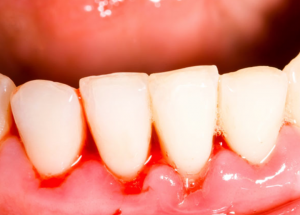
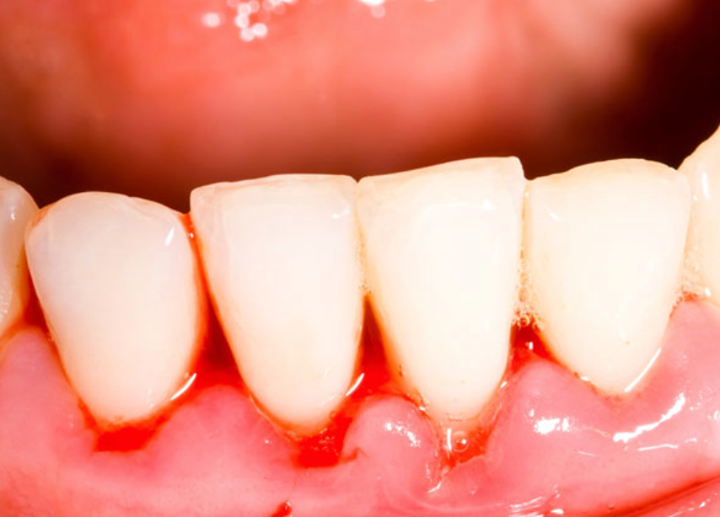
If you have ever been brushing your teeth and seen a bit of pink when you rinsed out your mouth, this appearance of blood is not normal. Healthy tissue does not bleed. When your gums are consistently inflamed, bleeding, or are sensitive and swollen, you could be at risk for gum disease or other health issues.
When you have gingivitis, you may also notice other symptoms, such as bad breath, a bad taste in your mouth, redness or tenderness in your gums, and even receding gums.
What Causes Gum Sensitivity?
One of the primary causes of bleeding gums or gum sensitivity is the incomplete removal of plaque from the base of the teeth or gum line. Not eliminating this plaque allows bacteria to grow in your mouth, and at the gum line. It even begins to migrate under the gums if it is not professionally removed.
If the plaque is still not removed, it can harden and form what is called tartar, which eventually causes a more progressive condition known as gum disease or periodontitis. This disease causes increased gum bleeding, foul breath, bone loss, shifting of your teeth, and eventually toothloss.
While plaque buildup is the most common cause of bleeding gums, there are other causes as well. Excessive bleeding in your gums may indicate a bleeding disorder, leukemia, scurvy, vitamin K deficiency, or other systemic conditions.
Additionally, brushing too hard, ill-fitting dental restorations, and improper flossing can also cause your gums to bleed. Any bleeding should be checked by a dental professional and not left to chance!
What Are Some Ways to Treat Bleeding Gums?
Appropriate oral hygiene practices are the best way to prevent and treat bleeding gums or gingivitis. To maintain good oral health,you should brush your teeth with a soft-bristle toothbrush after each meal.Flossing daily or even twice a day is also a recommended practice. Using an antibacterial mouthwash also helps.
In addition to great home care, you should also visit the dentist at least once every 6 months to have the plaque removed from your teeth and to get a comprehensive checkup. It you have ANY signs of gum disease it is really important to see a dentist for a professional teeth cleaning every 3 months. Statistically it has been shown that it takes about 3 months for the bacteria that cause gum disease and bone loss to repopulate the mouth to a destructive level after a professional dental hygiene visit. By having a professional dental hygiene visit every 3 months you have the best chance of staying healthy and keeping the bacteria under control.
If you’ve experienced any bleeding or sensitivity in your gums, or if it’s been longer than 3 months since your last dental hygiene visit, give us a call today. We will find an appointment that works with your schedule. Don’t leave your oral or overall health to chance.
(972) 233-1311
www.RobertMitchellDDS.com

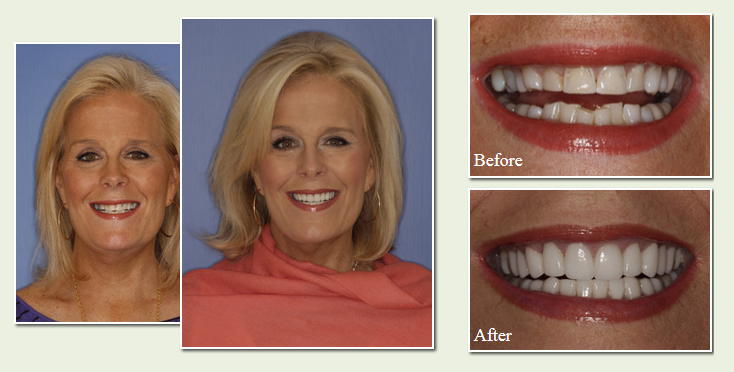
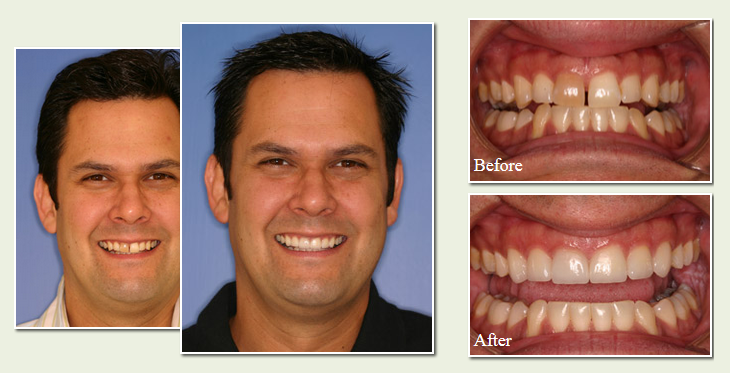
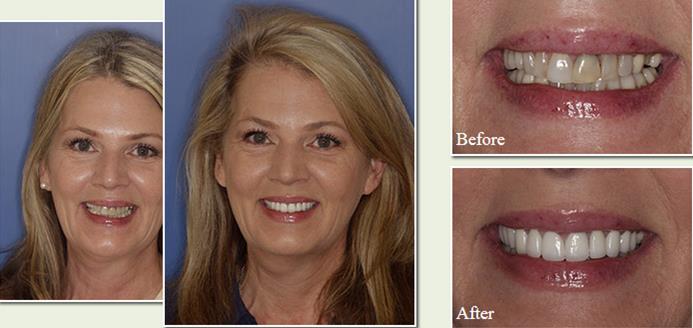
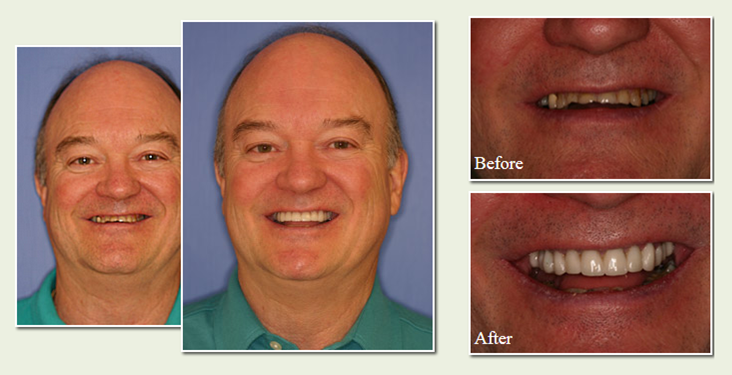
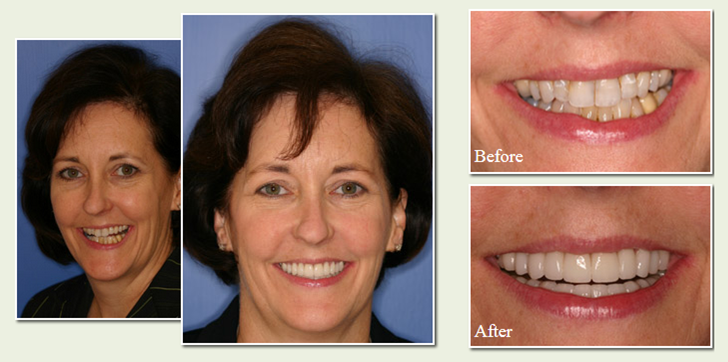
 *Actual Patient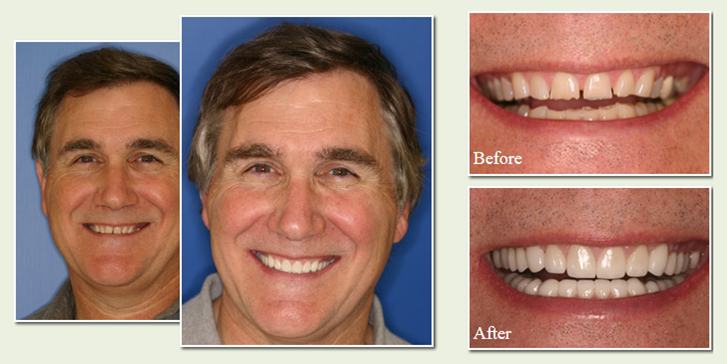





 Our
Our  Rebecca is our
  Mindi earned her associates degree in Dental Hygiene from Tarrant County College and her Bachelor’s degree in Management of Human Resources from Southern Nazarene University in Oklahoma. From the fall of 2009 to the spring of 2010, she served as a Clinical Instructor in the Dental Hygiene Department at Tarrant County College. Mindi looks forward every day to helping patients of all ages achieve their optimal oral health.
Mindi grew up in Ft. Worth. In her spare time, she enjoys being with her family, playing tennis, and hanging out with friends. She is also an active member of Legacy Church in Plano and volunteers in the youth program.
Mindi earned her associates degree in Dental Hygiene from Tarrant County College and her Bachelor’s degree in Management of Human Resources from Southern Nazarene University in Oklahoma. From the fall of 2009 to the spring of 2010, she served as a Clinical Instructor in the Dental Hygiene Department at Tarrant County College. Mindi looks forward every day to helping patients of all ages achieve their optimal oral health.
Mindi grew up in Ft. Worth. In her spare time, she enjoys being with her family, playing tennis, and hanging out with friends. She is also an active member of Legacy Church in Plano and volunteers in the youth program.
 Amanda has worked in the dental field since 2001. She enjoys helping patients in every aspect of the dental office, from assisting Dr. Mitchell during their dental procedures to educating patients on their dental needs and scheduling their future appointments.
Amanda attended Baylor University and graduated from Texas Women’s University with her Bachelor of Science degree in Biology.
Amanda is originally from Burleson, Texas. Today, she lives in Rowlett with her husband and three furry children. Outside the office, Amanda enjoys working out, watching the Texas Rangers, shopping, and trying new restaurants.
Amanda has worked in the dental field since 2001. She enjoys helping patients in every aspect of the dental office, from assisting Dr. Mitchell during their dental procedures to educating patients on their dental needs and scheduling their future appointments.
Amanda attended Baylor University and graduated from Texas Women’s University with her Bachelor of Science degree in Biology.
Amanda is originally from Burleson, Texas. Today, she lives in Rowlett with her husband and three furry children. Outside the office, Amanda enjoys working out, watching the Texas Rangers, shopping, and trying new restaurants.
 Tracie’s love of dentistry began in high school when she became a dental assistant and she has enjoyed her role as a